
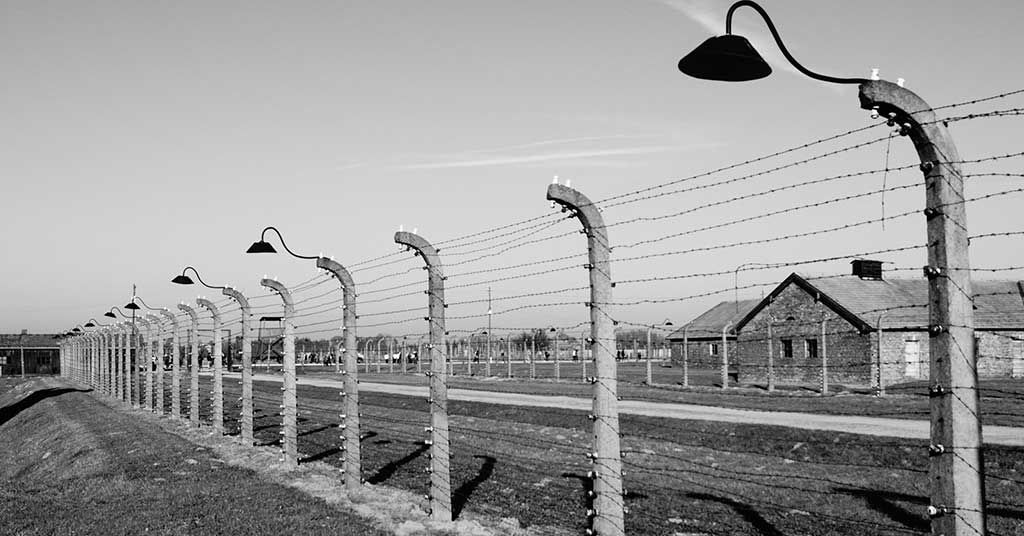
The killing might stop, but the denial doesn’t. And that’s what makes the next genocide possible
Genocide doesn’t begin with killing—it begins with denial. And denial doesn’t stop when the violence does. It runs through every stage, yet those who deny genocide avoid the only definition the world has ever agreed on.
The United Nations Genocide Convention of 1948, adopted in the wake of the Holocaust, remains the only internationally recognized legal definition of genocide. It states simply:
In the present Convention, genocide means any of the following acts committed with intent to destroy, in whole or in part, a national, ethnical, racial or religious group, as such:
(a) Killing members of the group;
(b) Causing serious bodily or mental harm to members of the group;
(c) Deliberately inflicting on the group conditions of life calculated to bring about its physical destruction in whole or in part;
(d) Imposing measures intended to prevent births within the group;
(e) Forcibly transferring children of the group to another group.
The Genocide Convention also adds:
The following acts shall be punishable:
(a) Genocide;
(b) Conspiracy to commit genocide;
(c) Direct and public incitement to commit genocide;
(d) Attempt to commit genocide;
(e) Complicity in genocide.
To date, the Genocide Convention has been largely ineffective in preventing genocide. To prevent it, we need to understand how it happens—and above all, how denial enables it at every stage.
In 2012, Gregory Stanton, a leading scholar in genocide studies and founder of Genocide Watch, published the Ten Stages of Genocide, a model now used by scholars, educators and human rights organizations around the world to identify and prevent genocide. These include not only “extermination,” essentially the acts defined in the Genocide Convention, but also the conditions that allow genocide to occur: classification, symbolization, discrimination, dehumanization, organization, polarization, preparation, persecution and denial.
Among these stages, dehumanization and denial are particularly dangerous and deeply interconnected. Once the process advances beyond dehumanization, it becomes much harder to stop. Denial continues long after the killing ends, often rewriting history to obscure responsibility and excuse future violence.
To violate people, one cannot look at them as human. They become “vermin,” “deplorables,” “snakes,” “terrorists,” “terrorist sympathizers,” “perverts” and the like. They are said to be coming to take our jobs, destroy our way of life, or even kill us. When politicians or influencers normalize such language, it cannot go unchallenged. Citizens must vote only for leaders who debate ideas, not those who dehumanize others.
Denial is to genocide what water is to a swimming pool. In the early phases, supporters of the genocidal process attack truth tellers, claim that dehumanizing language is protected as free speech, deny facts, tell outright lies and repeat untrue catchphrases. Adolf Hitler understood the power of denial in achieving nefarious goals. In Mein Kampf, he wrote that people will “more easily fall victim to a big lie than to a small one.”
Denial and incitement are not limited to states. The original 1988 Hamas Charter, the founding document of the Palestinian Islamist group governing Gaza, is a clear example of how a non-state actor can embrace both. The charter does not merely oppose Israeli policy—it explicitly calls for the destruction of Israel and includes antisemitic conspiracy theories. It frames Jews as the source of global evil and denies their historical connection to the land, portraying their existence as a threat to Islam and to humanity.
The Hamas Charter illustrates how denial and incitement can work together to justify violence. In the later phases of genocide, perpetrators often claim there is no genocidal intent, call the violence a war, deny evidence, blame the victims or portray themselves as the true victims. These tactics are not new; they are part of the playbook.
Stanton warns that denial increases the likelihood of further genocide. It is therefore essential that the world begins to enforce the Genocide Convention without exception and that powerful world leaders respect international courts. Genocide denial should also be a criminal offence.
Canadians just marked Truth and Reconciliation Day, a federal holiday that honours residential school survivors and commemorates the harms done to Indigenous peoples—a time to reflect on our country’s past mistreatment and the need to confront uncomfortable truths, even when legal definitions remain contested.
In a world where mass violence continues, calling genocide what it is isn’t just a legal duty: it’s a moral one. Everyone deserves protection from those who would deny their humanity. That responsibility belongs to all of us
Gerry Chidiac specializes in languages and genocide studies and works with at-risk students. He received an award from the Vancouver Holocaust Education Centre for excellence in teaching about the Holocaust.
Explore more on Genocide, Holocaust, Human Rights, Antisemitism
The views, opinions, and positions expressed by our columnists and contributors are solely their own and do not necessarily reflect those of our publication.
Troy Media empowers Canadian community news outlets by providing independent, insightful analysis and commentary. Our mission is to support local media in helping Canadians stay informed and engaged by delivering reliable content that strengthens community connections and deepens understanding across the country.

